
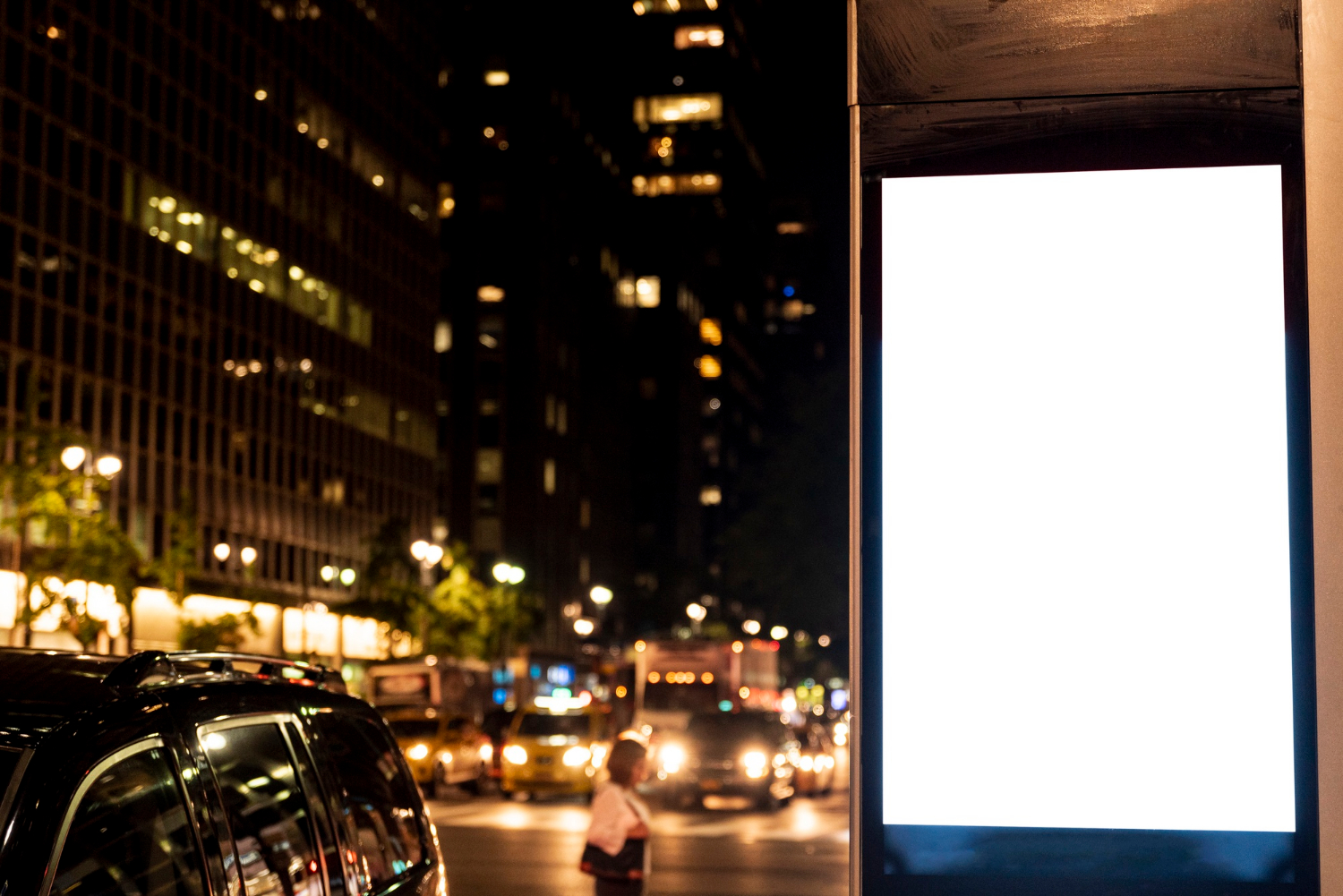
When the sun goes down, many traditional ads fade into the background. That’s a problem for businesses counting on drivers, bus riders, and pedestrians to notice their brand on the move. Out-of-home media has to do more than just exist. It has to stand out, especially at night when visibility is lower and distractions are higher. From bus stops to billboards, grabbing attention after dark takes more than daytime design smarts.
With the UK’s short winter days, it’s even more important to build campaigns that get noticed in the evening hours. People are commuting home from work, walking back from the shops, or waiting for a train—all while scrolling or daydreaming. If your ad doesn’t jump out, it blends in. Fortunately, there are ways to make it shine without being overwhelming or gimmicky.
Use High-Contrast Colours For Night Impact
One of the easiest ways to improve the visibility of an ad at night is by picking strong colour choices. Not everything that looks good during the day will pop in the dark. You’re dealing with shadows, city lights, and changing weather conditions, so your ad needs to be immediately readable.
Here are a few guidelines for choosing high-contrast combinations:
- Go for light text on dark backgrounds or the reverse, depending on the message and mood you want to convey.
- Stick to bold primary colours like red, blue, and yellow when possible. These stand up better against night skies and artificial light.
- Avoid highly saturated neons or pastels that might look washed out or too dim in the dark.
- Use whitespace or block colour areas to separate elements so the layout stays sharp.
Think about a campaign at a roadside junction. If the background is too similar to street lighting or the sky, your message won’t land. But if you use smart contrast, like white text on navy blue or yellow against black, passing viewers get the message fast. It’s not about blinding brightness. It’s about balance and clarity.
Incorporate Reflective And Luminescent Materials
High-contrast colour helps, but even the sharpest design won’t get noticed if it can’t catch light. That’s where reflective and glow-in-the-dark materials come in. These additions give night-time ads a surface that interacts with headlights, streetlights, and other sources of illumination.
Reflective materials are often used in safety signs for a reason. They respond well to direct lighting like car beams. This same principle works with out-of-home media. A billboard using reflective vinyl can glow briefly when a car passes, giving the message a short spotlight effect. It’s unexpected, draws the eye, and doesn’t rely on constant electricity.
Luminescent paint or materials are worth considering too. These charge up during daylight and glow after dark, offering a more sustainable lighting option for areas without dedicated power sources. This is common in rural or suburban locations where adding lighting might be expensive or limited by local rules.
While reflective materials tend to be more subtle and dependent on motion, luminescent ones provide a steady, mild glow. Both have different advantages and can be used together depending on your setting and creative goals. If you’re planning a display near a roadway, reflective finishes can create a pulsing effect as cars drive by. In high-footfall areas, a soft glow from paint or inks can attract attention without overpowering the surroundings.
Each material has different costs, so it’s worth speaking with experts about what works best for your location and purpose. The right combination can turn an ad from forgettable to memorable after dark.
Strategic Lighting Placement That Works
Even the smartest design won’t get noticed if it’s lost in the shadows. Lighting can make or break ads at night. When placed well, it holds attention just long enough for your message to land. But if lighting is uneven or too harsh, people might squint or look away.
Think of lighting the way photographers use natural light—it’s all about balance and angle. You want visibility without glare. The aim is to let the most important parts of your display come through clearly without overpowering the viewer. Whether someone is on foot or in a vehicle, the ad should be easy on the eyes.
LED lights are often the best choice because they last a long time and don’t cost as much to run. They come in different brightness levels and colours, which makes it easier to fit your design’s tone. Floodlights are another solid option for larger displays or billboard placements where more coverage is needed.
Here are some lighting tips to help your ad stand out:
- Place lights above or below the ad to create even light across the space.
- Match warm or cool lighting to the colours in your ad for a consistent look.
- Angle floodlights between 30 to 45 degrees to reduce glare and shadows.
- Test lighting during different times of night to see how it performs in every condition.
If lights aren’t set up with the ad’s design in mind, they can wash out colours, create strange reflections, or leave key details in the dark. The goal isn’t just being seen. It’s being seen well. A well-lit ad grabs attention without causing discomfort. It keeps your message clear and your brand easy to notice.
Use Digital Displays For Night-Time Flexibility
Digital out-of-home media has come a long way, especially for night-time settings. One of the biggest strengths of digital is how it adapts. Brightness levels shift automatically depending on ambient light. Content can rotate or change based on time, traffic, or location.
From small panels at train platforms to larger displays on the roadside, digital lets you stay flexible. Evening commuters can see a different message than the morning crowd. If there’s an event nearby or a change in the weather, your campaign can adjust instantly without any reprinting or delay.
Digital screens are also backlit, so you’re not relying on outside lighting to make your design clear. No matter the environment, your message remains crisp and visible. Motion or light animations can also help hold attention. A simple flicker or movement can grab a viewer for one more second, which is sometimes all you need.
These types of screens do especially well in spaces with mixed traffic—like near retail hubs or cultural venues—where cars and people pass by regularly. For example, a digital banner outside a cinema could advertise meal offers right after showtimes or spotlight trailers after dusk. That kind of timing makes your ad more relevant and more likely to register.
Work With Local Authorities To Stay Compliant
Before setting up lighting or digital displays, it’s smart to check the local planning rules. Some councils have restrictions on brightness levels, operational hours, or the types of materials used for public signage. You want to make sure your ad doesn’t end up causing problems or drawing complaints.
Working with local authorities early on helps you avoid setbacks and delays. It can also inform where untapped spaces might exist—such as underused corners of busy junctions or transit areas.
Collaborating with councils or local officers also shows you care about the community. Clean, lawful, well-placed ads don’t just look better—they make your brand look responsible. It tells people you’ve thought through the whole experience.
Sometimes, cooperation can lead to better access. You might get permission to use public digital signage if your message aligns with local initiatives. It’s a great way to increase reach while keeping within boundaries.
Making Your Night Ads Pop
Getting attention after sunset takes more than flipping on a switch. It’s about smart design, material use, and lighting that compliments your ad—not competes with it. A display with the right colour contrast, reflective elements, and balanced illumination can cut through the clutter of urban and suburban spaces at night.
Digital displays give even more control. Being able to swap out content or fine-tune brightness makes them ideal for long evenings or changing environments. Add in some subtle movement or time-sensitive offers, and you’ve got something that keeps people looking.
Strong out-of-home media choices give your business a better shot at staying visible when it matters most. Winter comes with short days and long nights, but that doesn’t mean your campaign has to fade. With thoughtful planning and expert help, your ads can keep shining and working all evening long.
For businesses eager to enhance their brand visibility after dark, focusing on elements like colour contrast, reflective design, and clever lighting placement can make a noticeable difference. These details become even more important when developing campaigns that stick in people’s minds long after they pass by. Learn how Wonderful can support your next campaign with thoughtful planning and creative execution. Discover how we approach impactful projects by exploring our work in out-of-home media.


